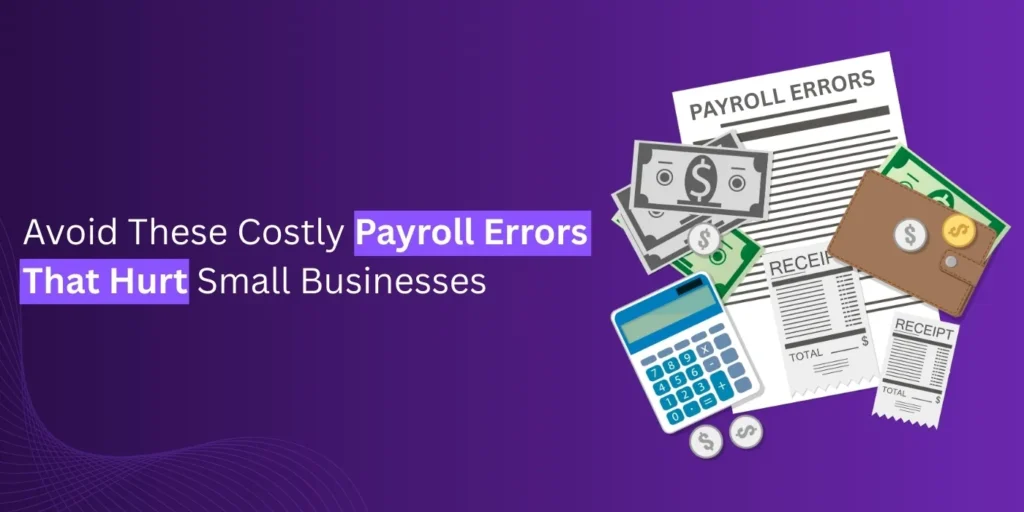
Payroll is one of the most critical parts of running a small business. Employees expect accurate and on-time payments, while government agencies demand strict compliance with tax laws. Even a small payroll mistake can lead to fines, unhappy staff, and serious legal trouble. Unfortunately, many small businesses make the same errors again and again often without realizing the damage they cause.
In this guide, we’ll walk through the most common payroll mistakes and explain how to avoid them before they start hurting your business.
Misclassifying Employees and Contractors
One of the most expensive payroll mistakes is classifying workers incorrectly. Many small businesses label workers as independent contractors when they legally qualify as employees.
Employees require:
- Payroll tax withholding
- Social Security and Medicare contributions
- Overtime pay
- Benefits and protections
Independent contractors do not receive these benefits.
Misclassification can result in:
- Back taxes
- Heavy penalties
- Legal disputes
- Interest charges
To avoid this, carefully review IRS guidelines and clearly define working relationships before onboarding anyone.
Incorrect Payroll Tax Calculations
Payroll taxes include federal income tax, Social Security, Medicare, and often state and local taxes. A small miscalculation can quickly turn into a big problem.
Common causes include:
- Using outdated tax rates
- Manual calculation errors
- Forgetting local taxes
- Incorrect employee information
To reduce risk, always keep tax tables updated and double-check payroll calculations every pay period.
Missing Payroll Tax Deadlines
Late tax payments are one of the fastest ways to trigger penalties. Payroll taxes must be deposited on specific schedules—monthly or semi-weekly depending on your business size.
Missing deadlines can result in:
- Late fees
- Accrued interest
- IRS notices
- Potential audits
Creating a payroll calendar and setting automated reminders helps ensure nothing slips through the cracks.
Failing to Keep Accurate Payroll Records
Payroll records are legally required and must be stored for several years. Many small businesses fail to keep complete or organized records.
Important records include:
- Hours worked
- Pay rates
- Tax withholdings
- Benefits deductions
- Pay stubs
Incomplete records can cause issues during audits, employee disputes, or tax reviews. Keeping digital payroll records improves accuracy and security.
Ignoring Overtime Rules
Overtime rules vary by state and are often misunderstood. Non-exempt employees must receive overtime pay when they work more than the allowed hours.
Common mistakes include:
- Not tracking work hours properly
- Paying salary instead of overtime
- Misclassifying non-exempt employees
Ignoring overtime laws can lead to wage claims, lawsuits, and back pay obligations.
Using Manual Payroll Systems
Manual payroll processing increases the chance of human error. Spreadsheets and handwritten calculations often lead to mistakes in pay amounts, tax withholdings, and deductions.
Risks of manual payroll include:
- Data entry errors
- Lost information
- Inconsistent calculations
- Time-consuming corrections
Using reliable payroll software or professional payroll services can dramatically reduce these risks.
Not Updating Employee Information
Payroll errors often happen when employee data is outdated or incorrect.
Examples include:
- Wrong tax filing status
- Outdated bank details
- Incorrect addresses
- Missing benefit elections
Always update payroll records immediately when an employee submits changes to avoid payment delays or incorrect tax reporting.
Forgetting Payroll Compliance Requirements
Payroll compliance goes beyond paying employees. Businesses must file payroll forms and reports accurately and on time.
Common filings include:
- Form 941 (Quarterly payroll tax report)
- Form W-2 (Employee wage statements)
- Form W-3 (W-2 summary)
- State payroll reports
Missing or incorrect filings can trigger audits and fines.
Poor Handling of Employee Benefits and Deductions
Benefits like health insurance, retirement plans, and bonuses must be processed correctly through payroll.
Mistakes often occur when:
- Deductions are miscalculated
- Benefits are taxed incorrectly
- Bonus payments are mishandled
- Employer contributions are forgotten
Clear benefit policies and accurate payroll setups help avoid confusion and compliance issues.
Failing to Separate Payroll and Accounting
Payroll and accounting are closely related but serve different purposes. When they’re not aligned, financial reports become inaccurate.
Problems may include:
- Incorrect expense reporting
- Misstated profits
- Tax filing discrepancies
Integrating payroll with accounting systems ensures clean, reliable financial data.
Overlooking State and Local Payroll Laws
Each state has unique payroll rules regarding:
- Minimum wage
- Paid leave
- Final paychecks
- Payroll frequency
Businesses operating in multiple states face even more complexity. Staying informed about local regulations is essential to avoid compliance issues.
Not Seeking Professional Payroll Support
Trying to handle payroll without proper knowledge can be costly. Many small businesses wait until a problem arises before seeking help.
Professional payroll services offer:
- Accurate processing
- Compliance support
- Timely tax filings
- Reduced stress for business owners
Outsourcing payroll allows you to focus on growth instead of paperwork.
Final Thoughts
Payroll errors don’t just affect your finances they impact employee trust, business reputation, and legal standing. From misclassification to missed deadlines, small mistakes can snowball into major problems.
By understanding these common payroll errors and taking proactive steps to prevent them, small businesses can protect themselves from penalties, maintain employee satisfaction, and operate with confidence. Investing in proper payroll systems or professional support is not an expense—it’s a safeguard for your business’s future.